Loading...
Serving Santa Clara, CA and surrounding areas. (669) 326-6241
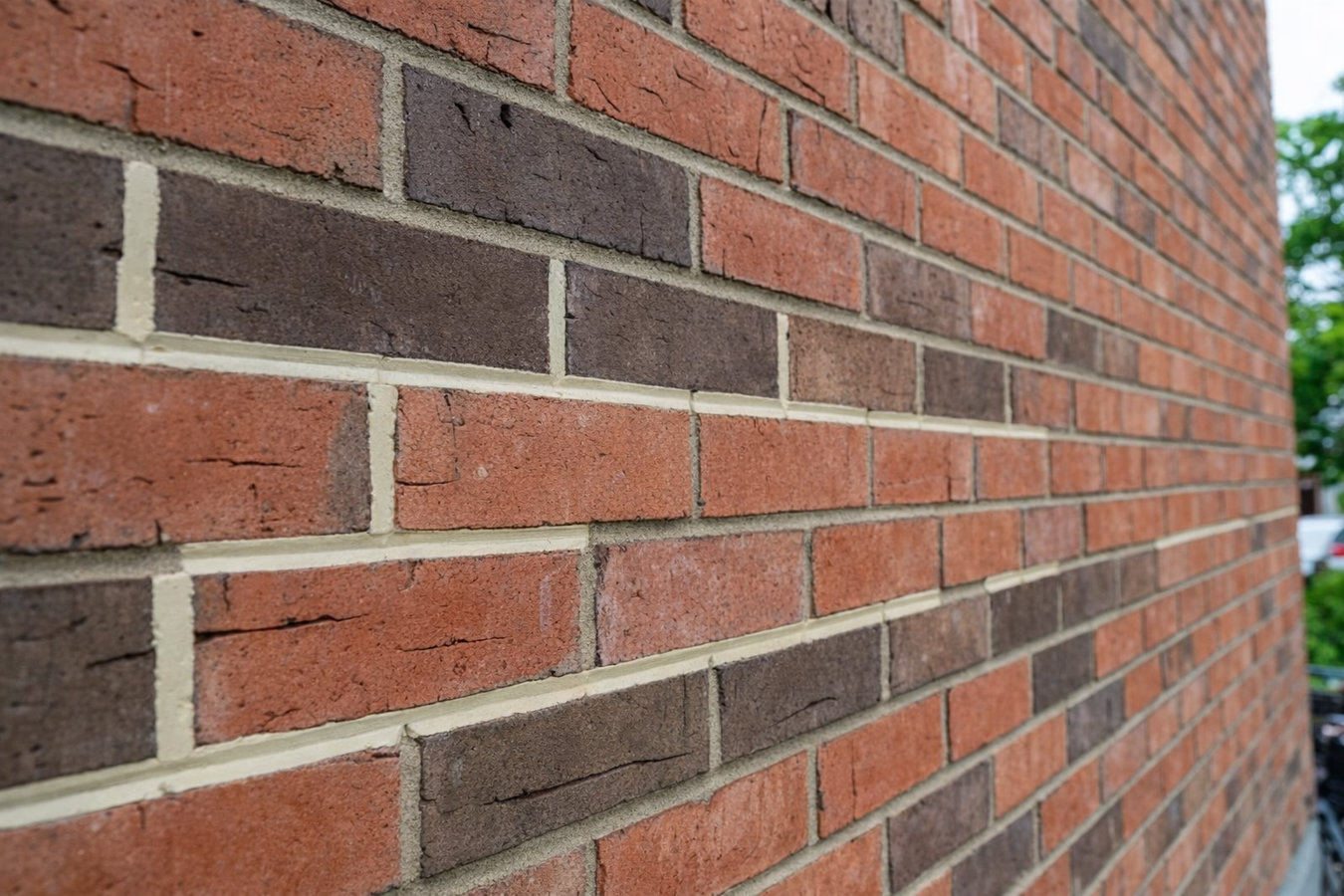
Crumbling mortar lets rain and moisture work into your brick walls every season. We remove the old mortar and pack in a fresh mix matched to your brick so the damage stops there.
Tuckpointing in Santa Clara removes deteriorated mortar from brick and stone joints and replaces it with fresh mortar matched to your brick type - most jobs on a single chimney or wall section finish in one to two days. When mortar breaks down, gaps form between the bricks and water finds its way inside. You might also notice the same issue on your chimney, where heat and weather wear the joints faster than anywhere else. If your home was built in the 1950s or 1960s, the mortar may be past its useful life even if it does not look alarming from the street. A related service, brick repair, addresses damage to the bricks themselves once water has had time to work through failing joints.
In the Bay Area, frequent small tremors from the Hayward Fault and the San Andreas Fault can loosen mortar joints gradually - even when you do not feel the shaking. That is on top of the normal wear that comes from Santa Clara winters pushing moisture into aging masonry. Catching it now means a focused repair rather than a larger rebuild later.
Run your finger along the mortar lines. If the mortar feels soft, sandy, or crumbles away easily, it is past due for replacement. Gaps wider than a credit card thickness mean water is already getting in.
Those white stains - called efflorescence - are mineral deposits left when water moves through the wall and evaporates on the surface. In Santa Clara's wet winters, this is an early sign that moisture is finding its way through failing joints.
The Bay Area experiences frequent small tremors that can widen existing hairline cracks or open new ones. If you noticed new cracking along mortar lines after any recent shake, have a masonry contractor look before the next rainy season arrives.
Chimneys take more weather exposure than any other part of a brick home and often deteriorate faster. If the mortar on your chimney looks darker, recessed, or visibly different from the rest of the wall, the chimney joints are likely further along in the deterioration process.
Our tuckpointing work covers chimneys, exterior walls, garden walls, retaining walls, and any other brick or stone structure where mortar joints have deteriorated. We grind out the old mortar to the correct depth - roughly half an inch to three-quarters of an inch - and hand-pack fresh mortar that is matched in color and hardness to your existing masonry. For homes built before 1970, this mortar matching step is especially important, since using a mix that is too hard can crack the original bricks over time. If the underlying bricks have also been damaged by moisture or seismic movement, we may recommend pairing this work with our brick pointing service, which addresses both joint and surface-level brick deterioration.
We also handle full chimney tuckpointing as a standalone project, which often uncovers adjacent issues with the chimney cap or flashing. For homeowners in HOA communities, we can provide documentation to support any approval your association requires before exterior work begins. Every job ends with a walkthrough so you can see the finished joints before we leave.
Best for chimneys showing recessed, dark, or crumbling joints from concentrated weather exposure.
Best for homeowners seeing widespread mortar gaps or efflorescence across a full wall face.
Best for small sections with isolated cracking after seismic activity or localized water damage.
Best for repairs on older homes where blending in matters as much as waterproofing the joint.
Santa Clara sits near both the San Andreas Fault and the Hayward Fault, and seismic activity - even small, unnoticed tremors - gradually loosens mortar joints over time. Many homes in the Central Park neighborhood and older areas near downtown were built in the 1950s and 1960s, putting their original mortar at or past the end of its useful life. The Bay Area's dry summers also create a tricky curing window: mortar applied in July or August can dry too fast and crack before it fully cures if the contractor does not manage the process properly. Homeowners near San Jose and Sunnyvale often have the same mid-century housing stock and face the same mortar aging timeline.
Santa Clara winters are mild but concentrated - most of the city's roughly 15 inches of annual rainfall arrives between November and March. That short rainy season pushes a lot of moisture through aging joints in a short window. Getting tuckpointing done before November closes those gaps before they become a water damage problem. If your home is in an HOA community, we check what approvals are needed before we start so the finished work meets any color or appearance requirements your association has in place.
We respond within 1 business day. We will ask what you are seeing, how old your home is, and whether anything has changed recently - like a quake or a wet season. No estimate is required to have that first conversation.
We come out to walk the area in person. We look at the mortar joints, the brick condition, and how accessible the work area is. You get a written quote that spells out exactly what will be done and what it costs.
The crew arrives and sets up around the work area. They grind out old mortar - the noisiest part of the job - and then hand-pack fresh mortar into the joints. Most single-section jobs wrap up in one to two days.
We walk you through the finished work before we leave. Fresh mortar takes 24 to 48 hours to firm up and 28 days to fully cure. We tell you exactly what to avoid - sprinklers, pressure washers - during that window.
We respond within 1 business day. There is no obligation - the estimate is free and the assessment tells you exactly what your walls need. After you submit, someone from our office calls to schedule a free on-site visit.
(669) 326-6241We carry an active California C-29 contractor license, verifiable through the state Contractors State License Board. Every job is covered - you are not taking on any liability for work done on your property.
Using a modern mortar mix on 1950s or 1960s brick can crack the original bricks over time. We test and match the mortar before any grinding begins so the repair works with your masonry, not against it.
We work across Santa Clara, San Jose, Sunnyvale, and surrounding communities. We know mid-century Bay Area housing stock - the brick types, the mortar aging patterns, and what seismic activity does to joints over decades. See the California Contractors State License Board to verify any contractor before you hire.
We give you a written, itemized quote after the on-site assessment. No verbal-only quotes. No surprise charges. You decide whether to proceed based on a clear picture of the full scope and cost.
Every one of these points is something you can verify before you sign anything. We would rather earn the job on facts than on a sales pitch.
When moisture has already reached the brick face through failing joints, brick repair addresses the spalling, hollow bricks, and surface damage that tuckpointing alone cannot fix.
Learn moreBrick pointing combines mortar replacement with a finished surface treatment, ideal for older Santa Clara homes where aesthetics matter as much as waterproofing.
Learn moreSanta Clara's rainy season arrives in November - get a free estimate now so your walls are protected before the first heavy rain hits.